

Contractor Insurance in Texas, Built for the Trades
GL, workers comp, commercial auto and tools coverage for electricians, HVAC, plumbers and GCs. One advisor for the whole program.

Contractor insurance covers the four ways a trade business gets sued or shut down
Most GCs, owners and lenders require proof before you start.
Coverage that fits the work you actually do
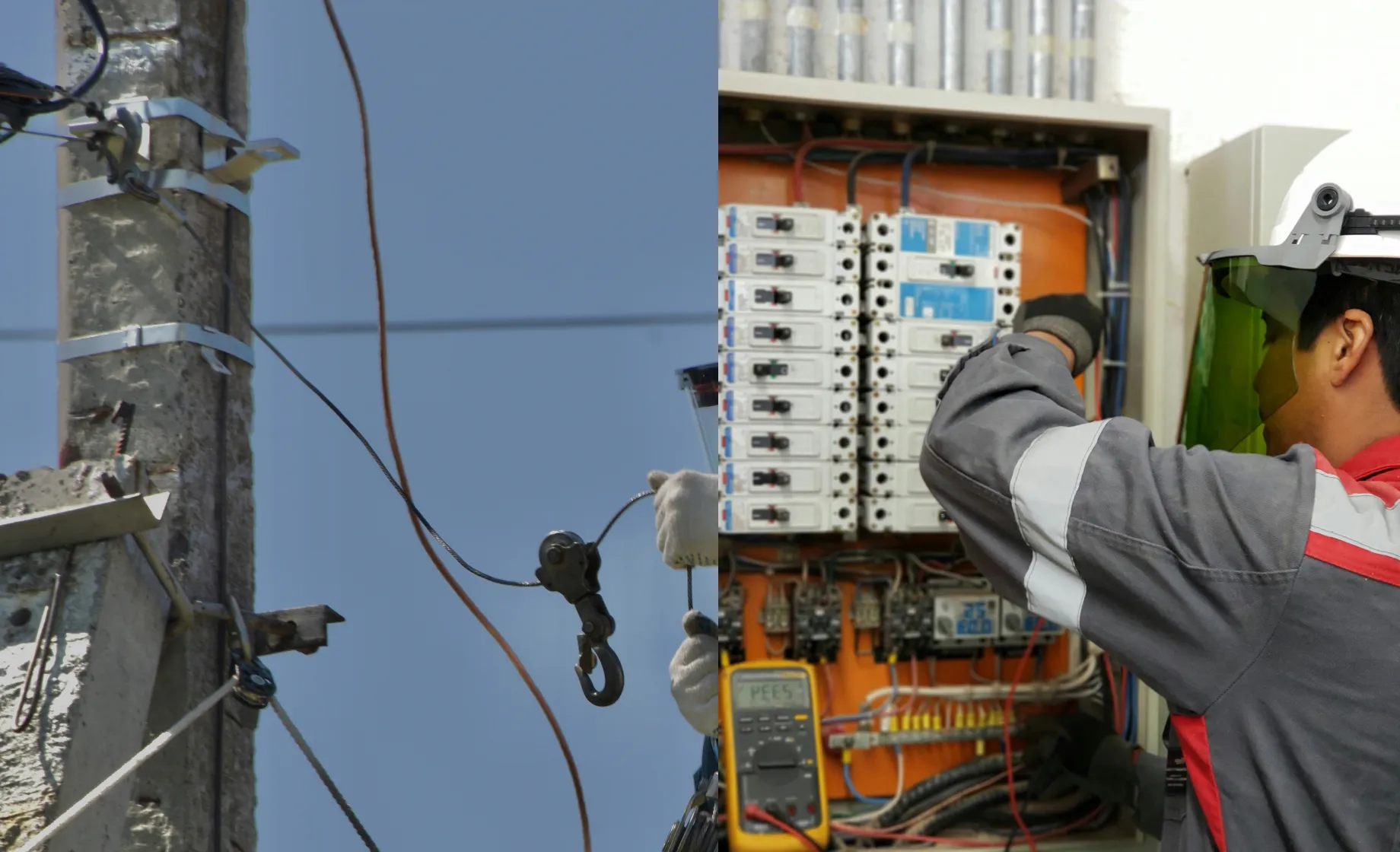
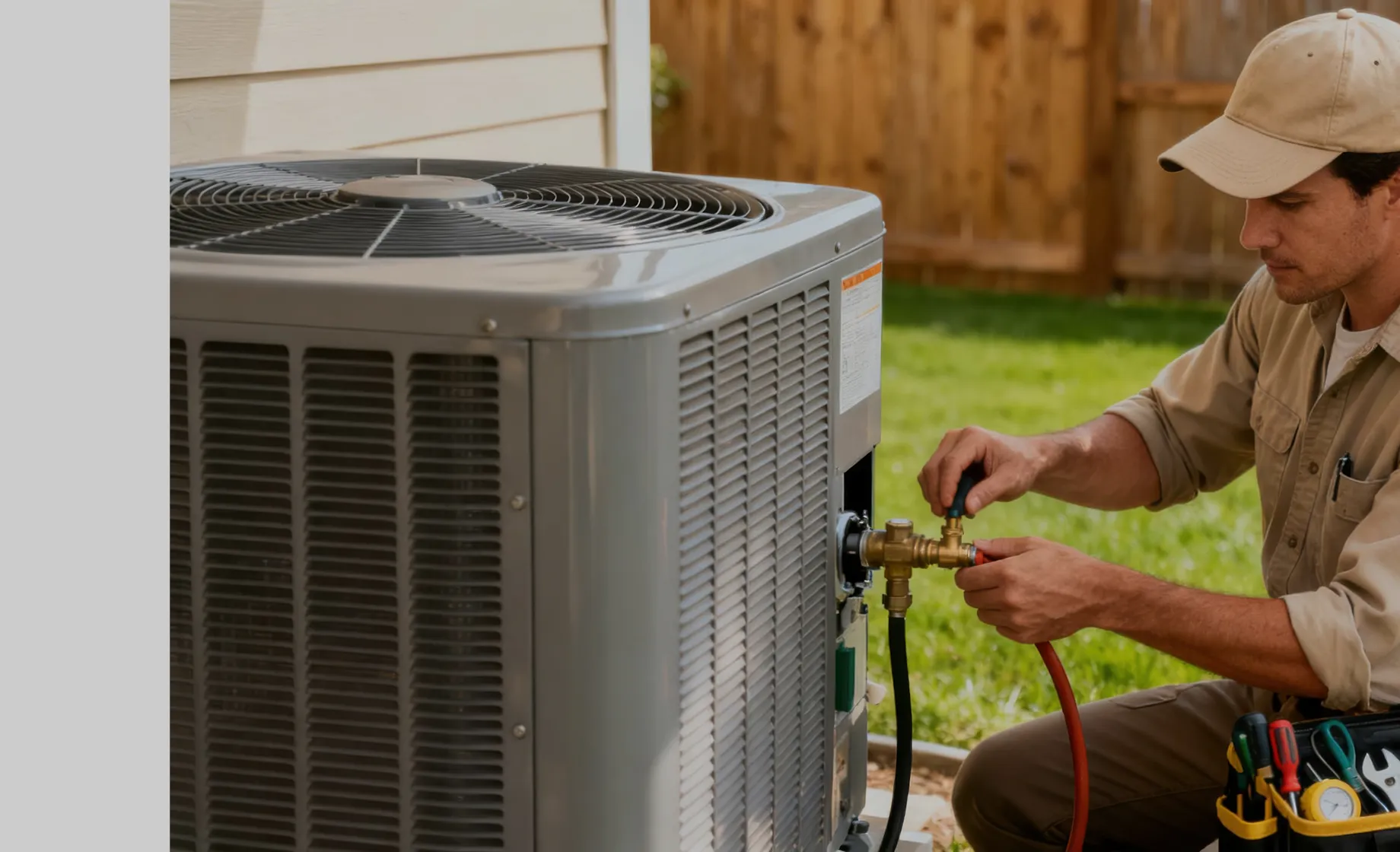
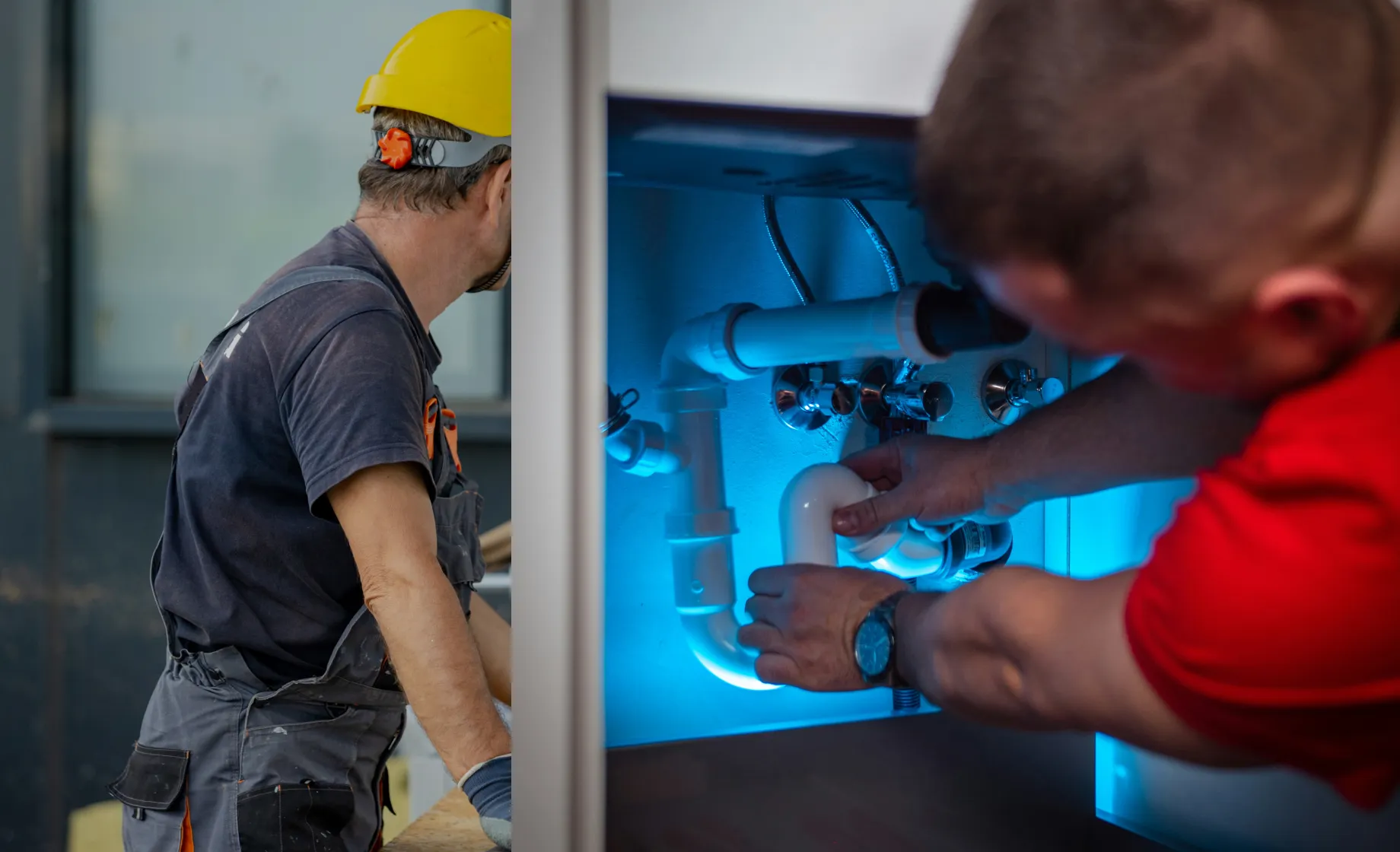
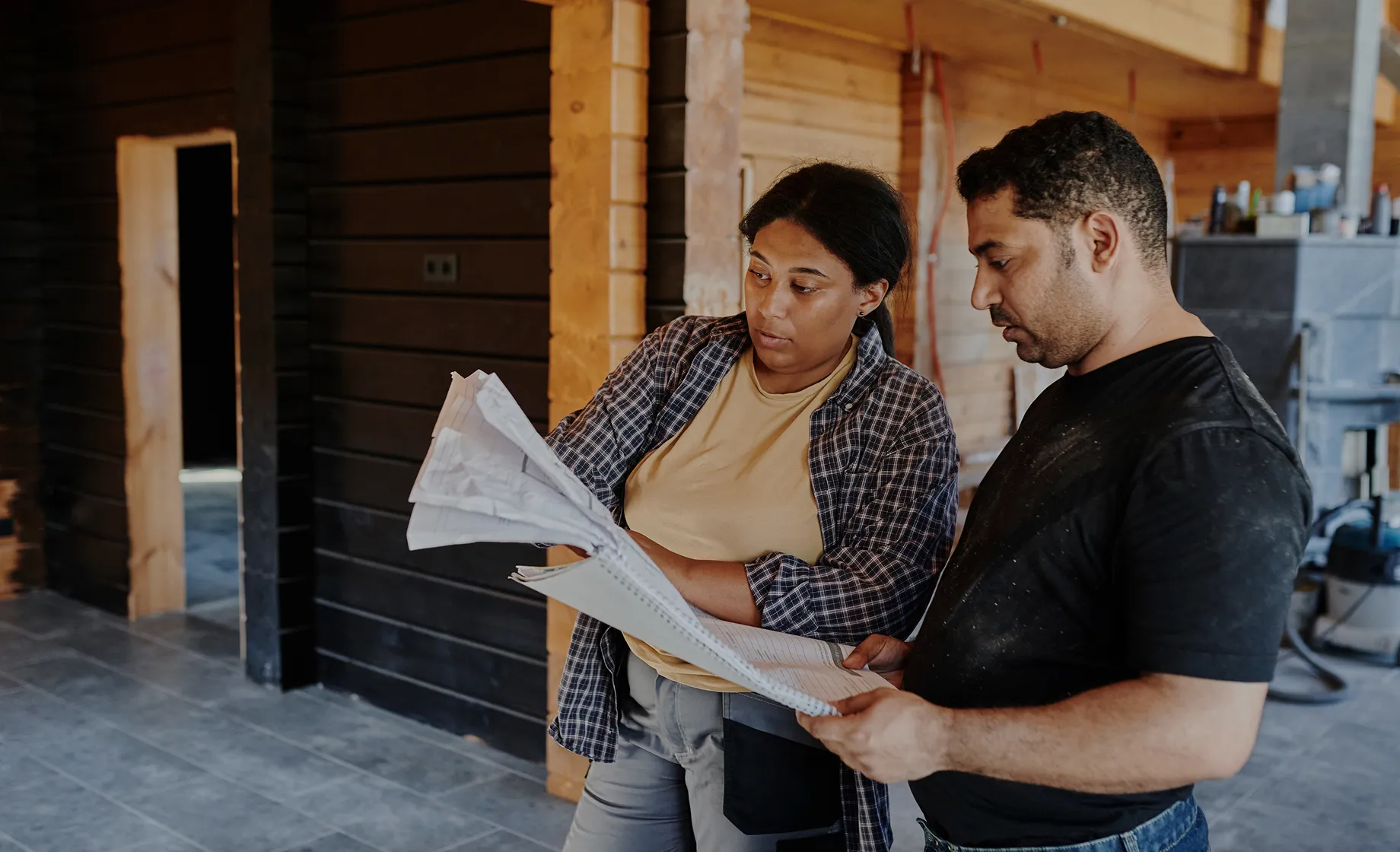
Every coverage. One person who knows your file.
The carrier that prices an electrician well often prices a plumber badly. We know which is which.
What does contractor insurance cover in Texas?


Umbrella, property, pollution, bonding support — same advisor. Ask.
Certificates, handled properly

Certificates are part of the job. We treat them that way.
We work for you. Not for a carrier.

Three steps to covered
Callback within one business day. No obligation.




Let's find the right coverage for you.
Fill out the form below, and we’ll be in touch within one business day.

Before you commit
Do I need workers comp in Texas?
More specific to your situation? Personal and commercial each have their own FAQ — or just call us.
Texas doesn’t require workers compensation for most private employers, which makes it unusual among states. But most general contractors and property owners require it in their contracts, and employers who go without lose important legal protections if an employee is hurt on the job. For working contractors the practical answer is almost always yes.
It depends on your trade. Electrical contractors licensed through TDLR must carry general liability minimums as a condition of holding the license. Plumbing, HVAC and general contracting requirements are mostly contractual rather than statutory — set by the GCs and owners you work for. Tell us your trade and license class and we’ll confirm exactly what applies.
General liability covers injury and property damage that happens while you’re on the job. Completed operations covers claims that arise after your work is done — the fire from a panel you installed last year, the leak from a fitting you soldered last spring. For most trades, completed ops is where the serious claims live, and policies vary in how well they cover it.
Additional insured extends your liability coverage to protect the GC for claims that arise from your work. Waiver of subrogation means your carrier agrees not to pursue the GC to recover what it pays on a claim. Both are standard endorsements in commercial construction contracts. We add them to your policy and issue the certificate showing them.
Almost always no. Personal auto policies exclude vehicles used for business, and a claim involving a work vehicle on a personal policy is routinely denied. If you carry tools, drive to job sites, or have your company name on the door, you need commercial auto. The gap between the two is one of the most common uncovered losses we see.
At the end of your policy year the carrier verifies your actual payroll against what the policy was priced on. If payroll came in higher, you owe additional premium. If it came in lower, you get money back. We help you prepare the records, represent you if class codes are disputed, and make sure excluded payroll isn’t
being charged.
Yes. We track certificates coming in from your subcontractors, flag ones that are expired or missing required endorsements, and help you maintain a compliant file. This matters at audit — uninsured subcontractor payroll gets charged to your policy as if they were employees. A clean sub certificate file is what prevents that.
Usually. Carriers narrow their appetite for specific trades or claim histories all the time, and a non-renewal isn’t a judgment on your business. Because we work with more than fifty carriers, we know which markets are actively writing
each trade in Texas right now. Call us and we’ll tell you where you stand.

Let's find the right coverage for you.
Whether it's your home, your car, or your business, we'll help you protect what matters most.